Temperature sensor
YoLink Sensor
Temperature--°F
Humidity--
Battery--
- Sensor state
- Awaiting data
- Last sensor report
- --
Local AI / Receiver audio
On frequency / Community
ROOM / N6MUD-MAIN
Post a question about ESSB or any amateur radio topic, or simply chat with other like-minded radio enthusiasts. During an N6MUD livestream, text posts may also appear in the public YouTube live chat with your callsign.
Propagation awareness / Local weather
Monitor radar and recent lightning activity across the western United States, including the San Diego QTH. Electrical storms can raise the noise floor and affect safe station operation.
Lightning is displayed as part of Windy’s radar layer. Data is informational and should not replace official warnings or station lightning-safety procedures.
Weak-signal propagation / Last 24 hours
WSPR (Weak Signal Propagation Reporter) uses low-power digital transmissions to measure how radio signals travel around the world. See where N6MUD transmissions have been heard during the past 24 hours, including signals that may be too weak to hear by ear. Each path ends at an automated receiving station and is colored by amateur band.
Loading recent WSPR reports…
Zoom in or hover over a receiver dot or callsign for report details.
Propagation data: WSPR Live. Map data and tiles: © OpenStreetMap contributors. Times are UTC.
Propagation history / UTC
Click or tap a daily bar to load that date’s WSPR activity on the map above.
| UTC day | Reports | Receivers | Avg SNR | Longest |
|---|
Live backyard conditions
Home environment / YoLink
Station energy / Solar
Station environment / Climate
Station energy / Battery
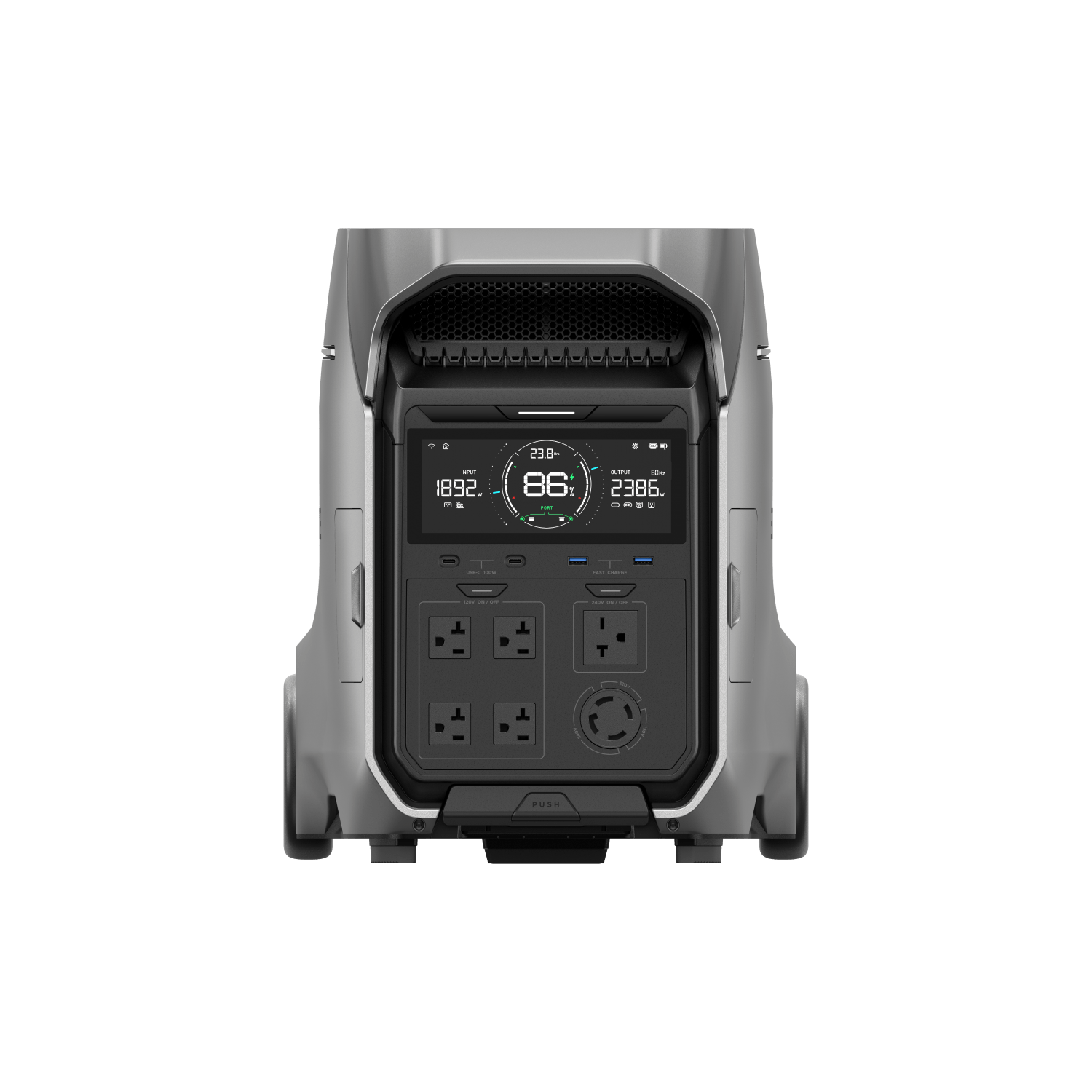
Station power telemetry is temporarily unavailable.
Featured / Station profile
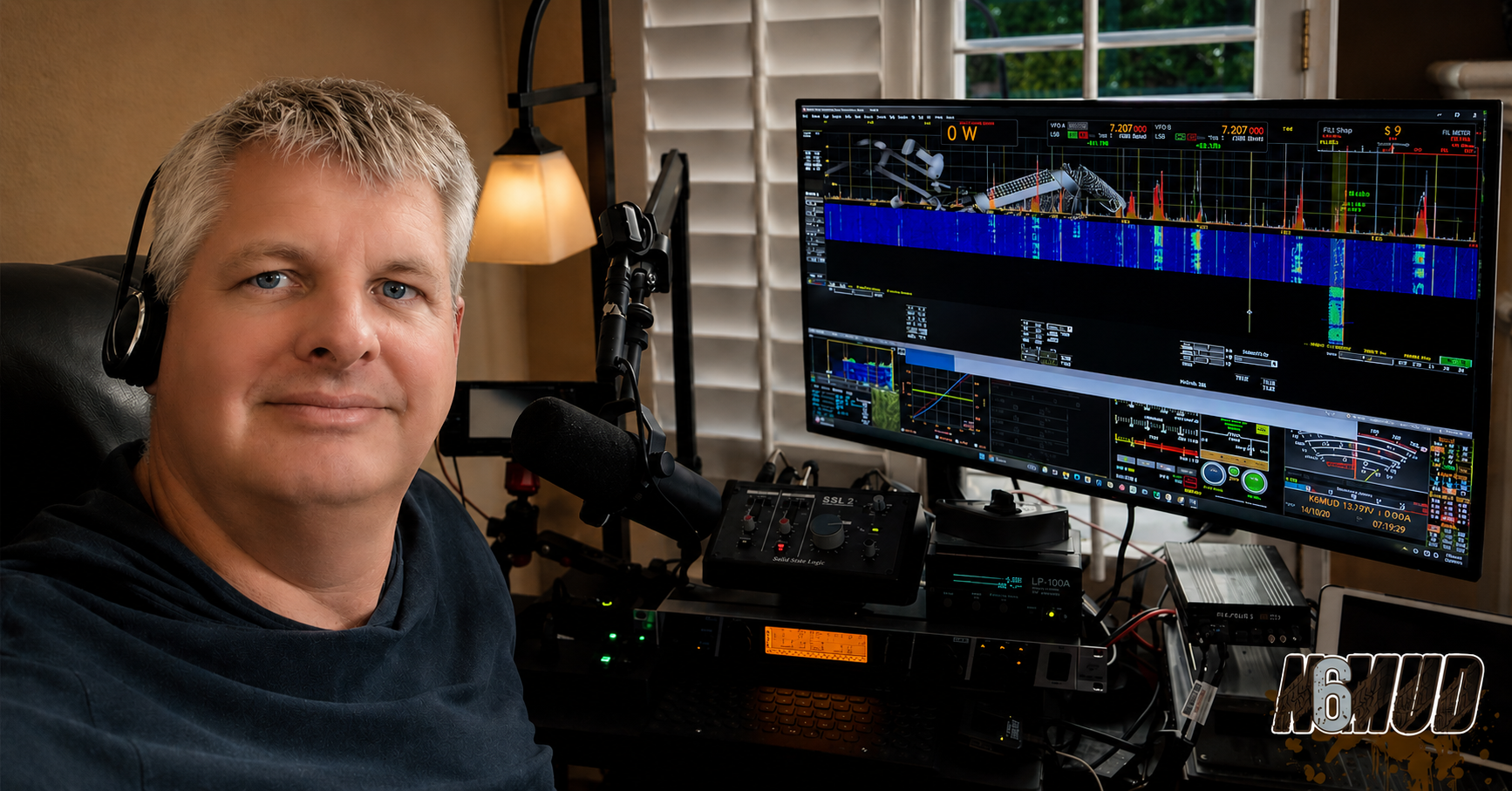
A software-defined HF station focused on clean, articulate, wideband transmit audio.
When Craig isn’t working as a remote software engineer, the station becomes a test bench for SDR technology, audio processing, antennas, and portable operation.
Explore / Core topics
The audio chain, transmit processing, and 6 kHz wideband voice behind the N6MUD audio.
SDR hardware, RF power, metering, and the 40-meter horizontal loop that brings it together.
Technical observations, equipment notes, and practical experiments from the station and field.
Voice-to-text helps turn each livestream into a searchable transcript with timestamps, chapter markers, episode summaries, and podcast notes—reviewed before publishing.
Latest stream / Audio report
Hear the complete N6MUD wideband audio chain: Apache Labs G2, RE320, Behringer DEQ2496, Thetis, SSL2, LP-100, and RF2K-S.
Watch recording ↗Mobile shack / Walkthrough
Tour the N6MUD Mobile Shack on Wheels and its amateur radio installation.
Open on YouTube ↗On the air / Replay archive
The latest completed N6MUD broadcasts. Select a thumbnail to load and play the recording.
Listen / N6MUD
Start listening immediately while the MP3 continues to buffer, or download an episode for offline listening. Each episode uses its Spotify artwork.
Loading published podcast episodes…
QRZ logbook / N6MUD
| Date / UTC | Callsign | Band | Mode | Frequency | City / State | Operator / Country |
|---|---|---|---|---|---|---|
| Loading recent contacts… | ||||||
Recent contacts are supplied by QRZ Logbook. View the complete logbook on QRZ ↗
Station archive / QRZ gallery
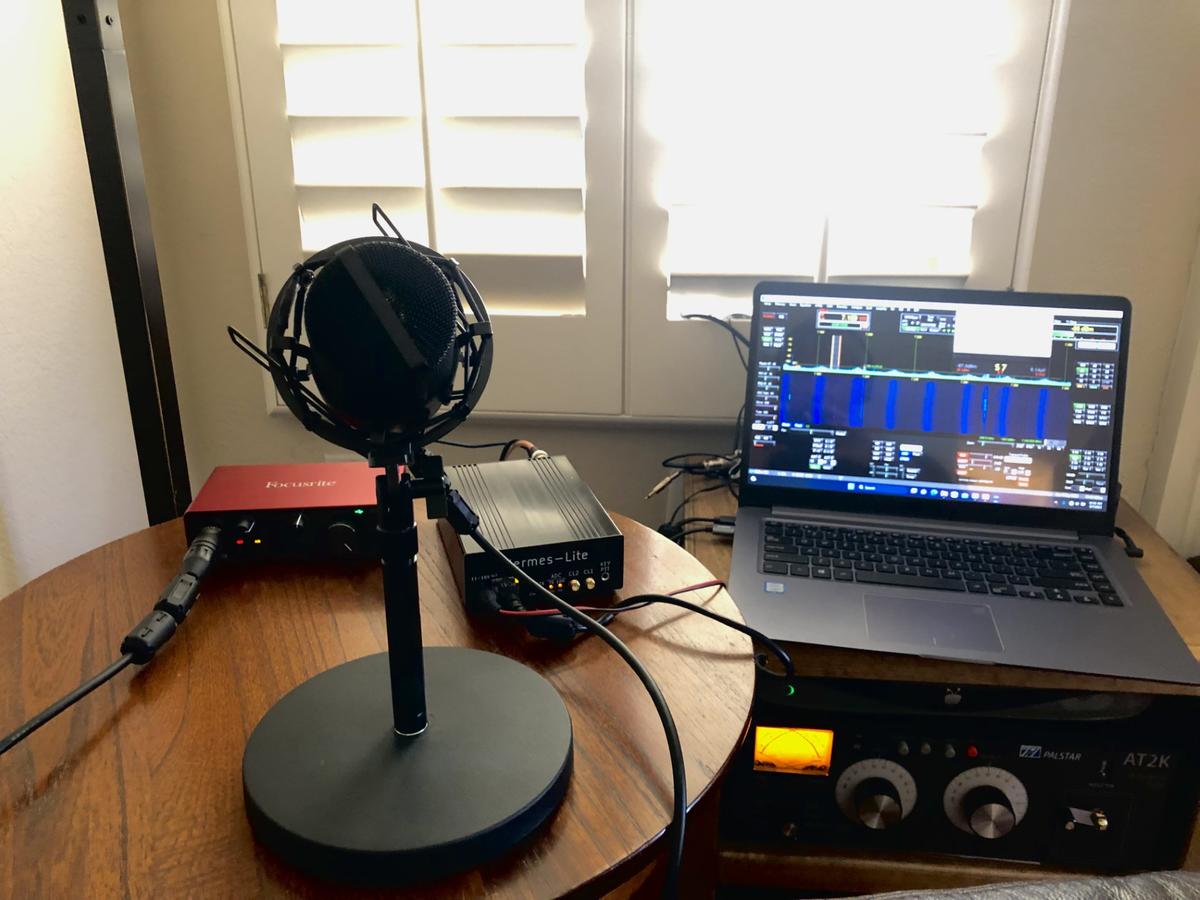
An earlier version of the N6MUD station at the beginning of the wideband audio journey.
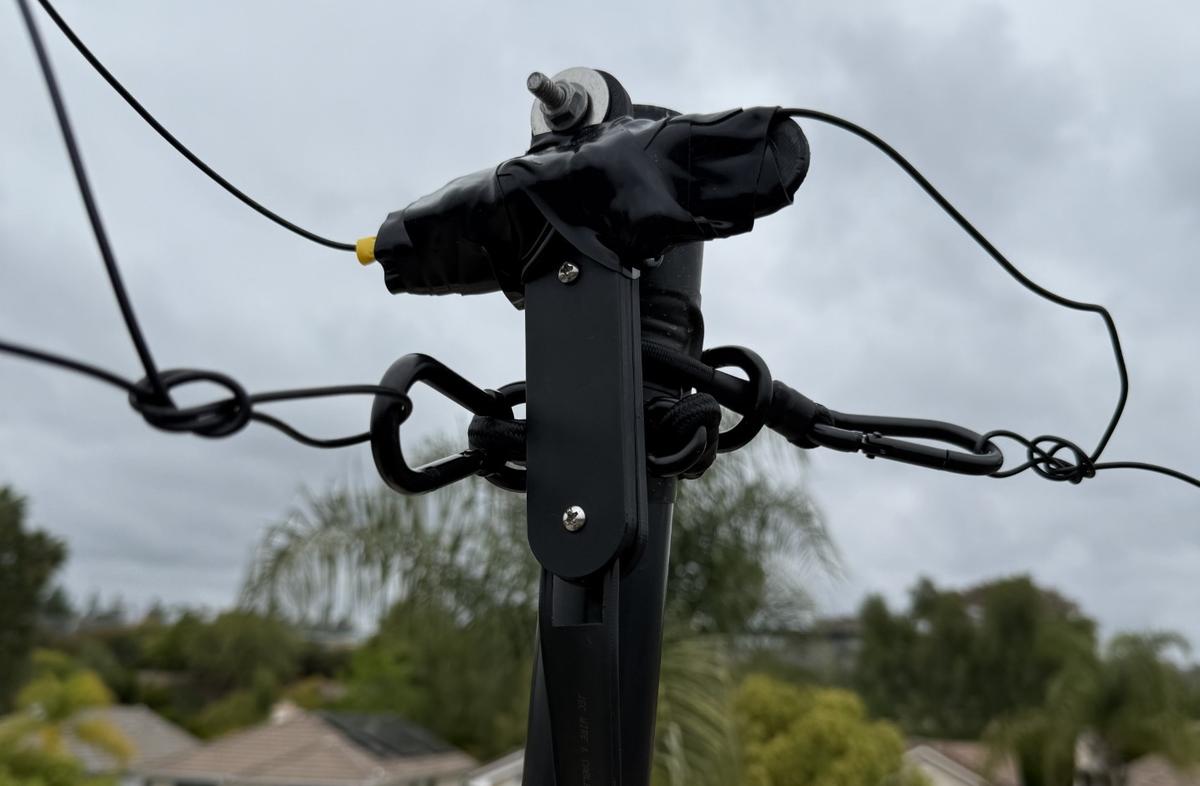
The ladder-line feed point for the primary 40-meter horizontal loop antenna.
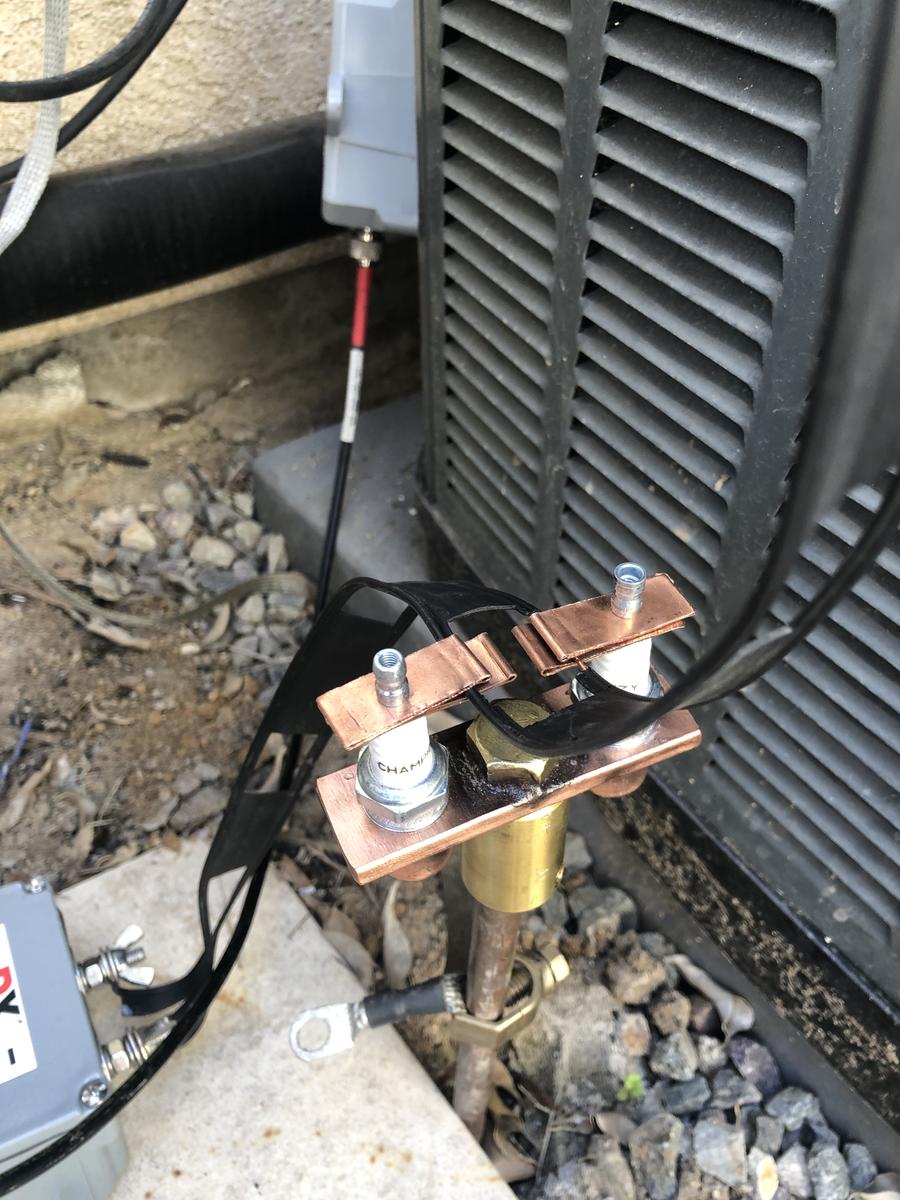
Lightning protection installed for the ladder-line-fed 40-meter loop.
Purchase from The Wireman ↗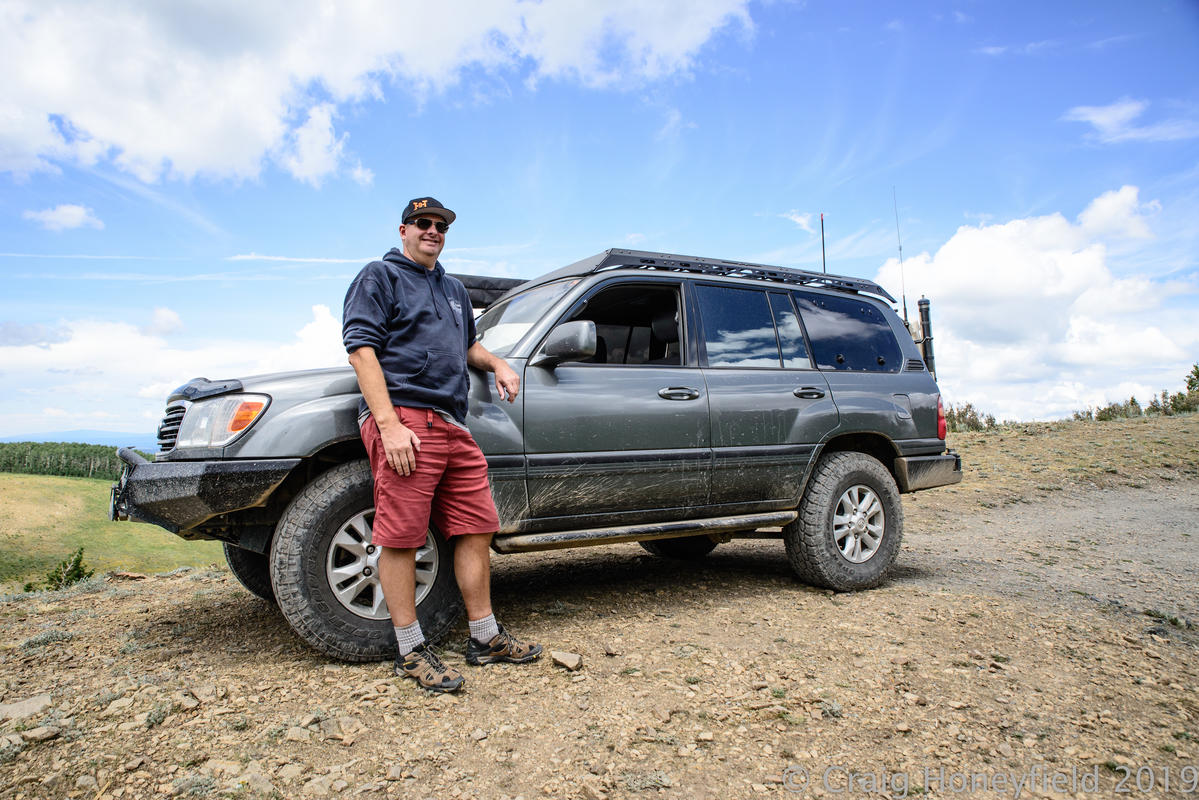
The amateur radio installation in Craig’s 1999 Toyota Land Cruiser.
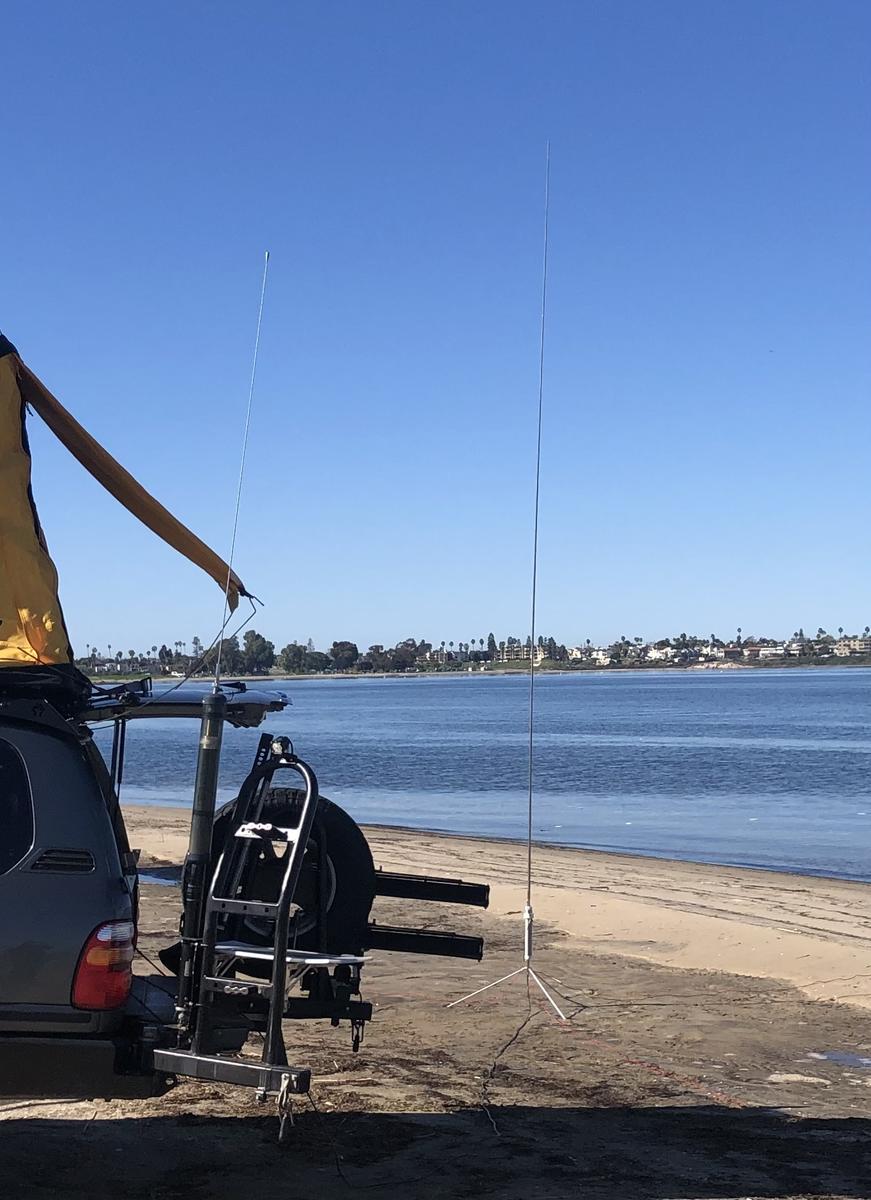
The Land Cruiser and mobile antenna configured for HF operation at Fiesta Island.
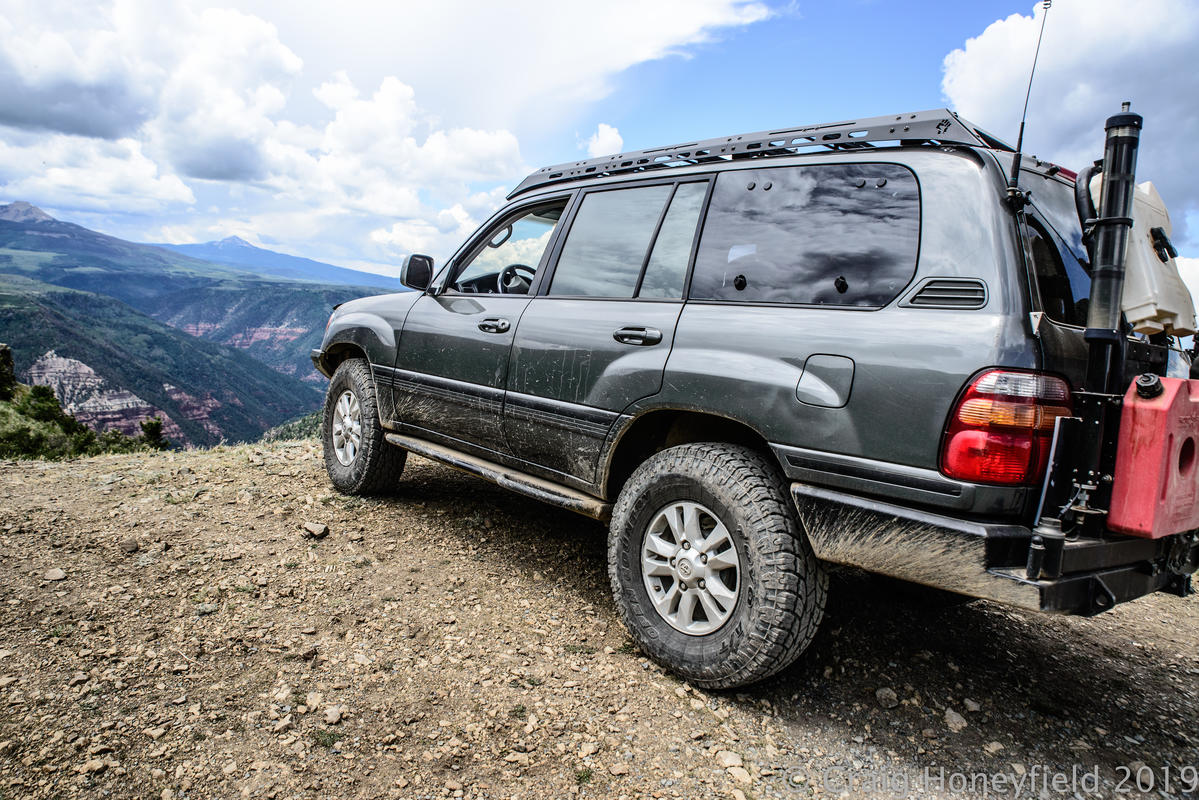
The mobile HF station operating from elevation in the 1999 Land Cruiser.
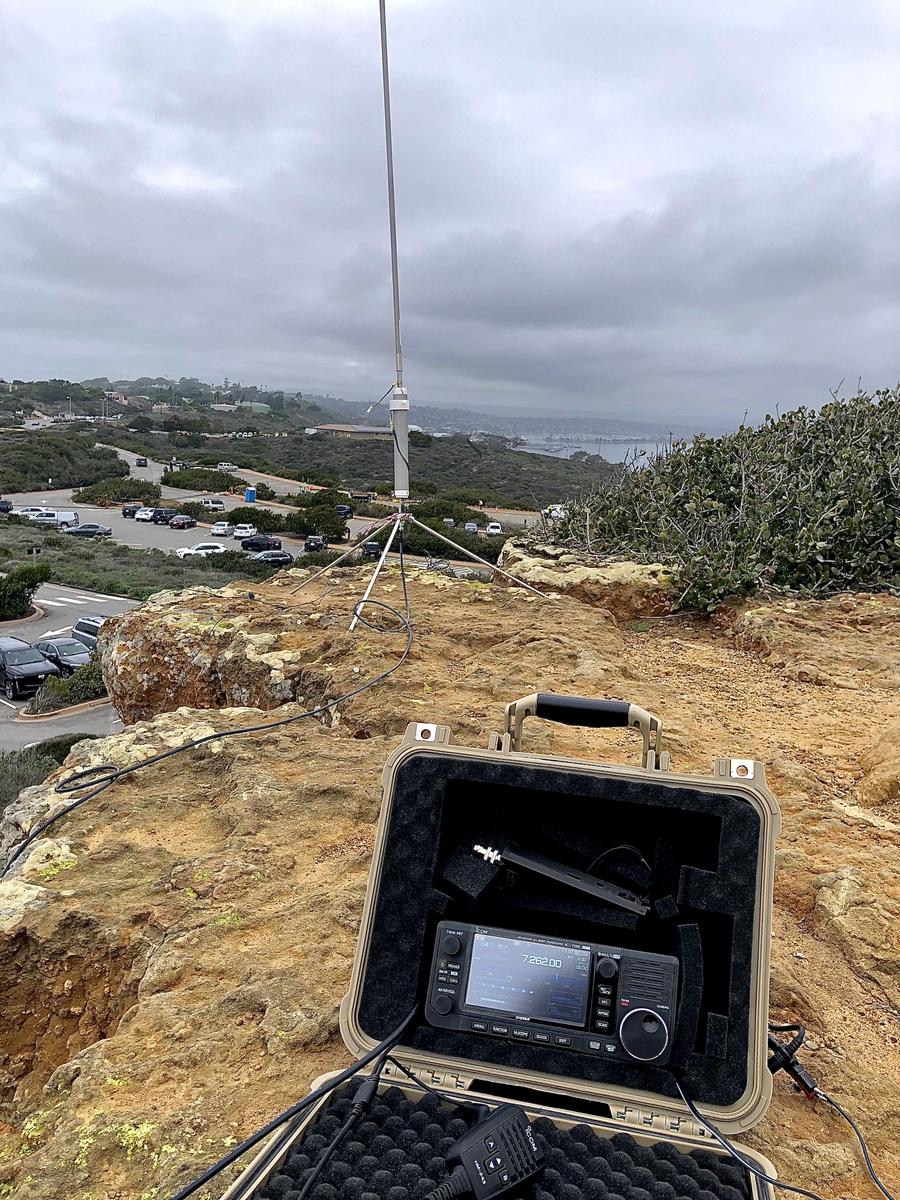
Icom IC-705 and Wolf River Coil at Cabrillo National Monument, San Diego.
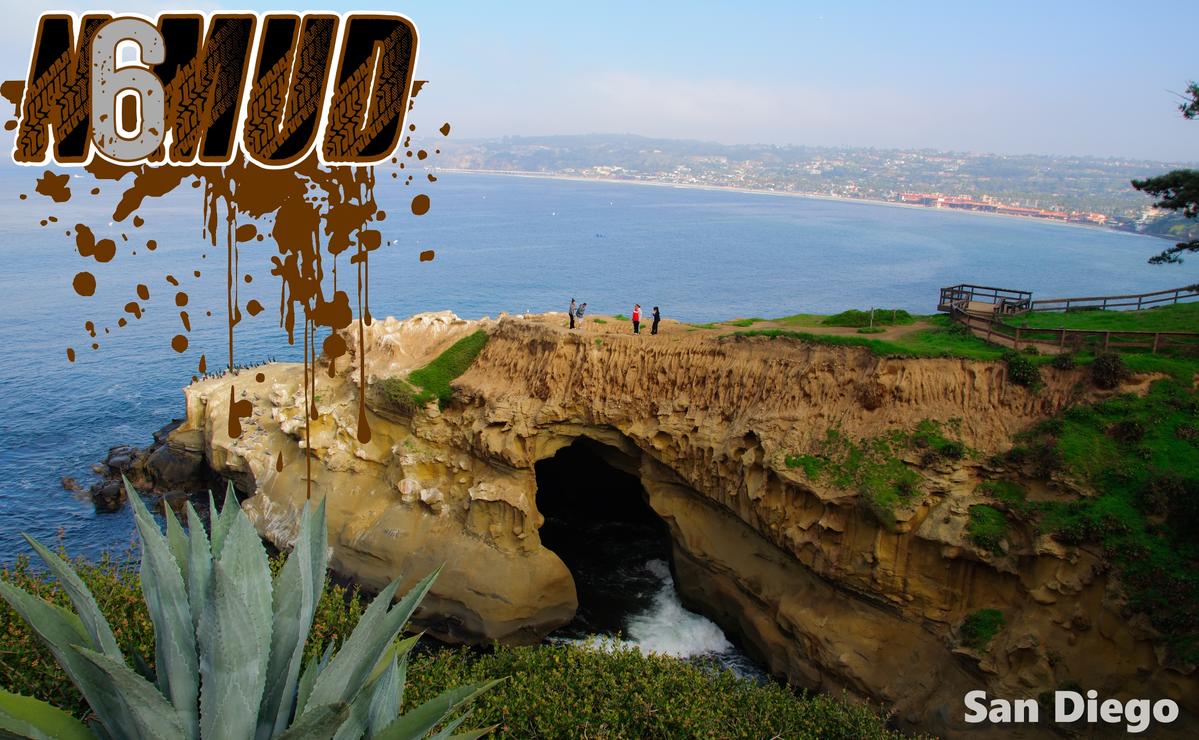
The N6MUD QSL card. Logo designed by Jeff, K5BLS.
Audio Outlaws artwork celebrating the wideband ESSB community and broadcast-quality amateur radio audio.
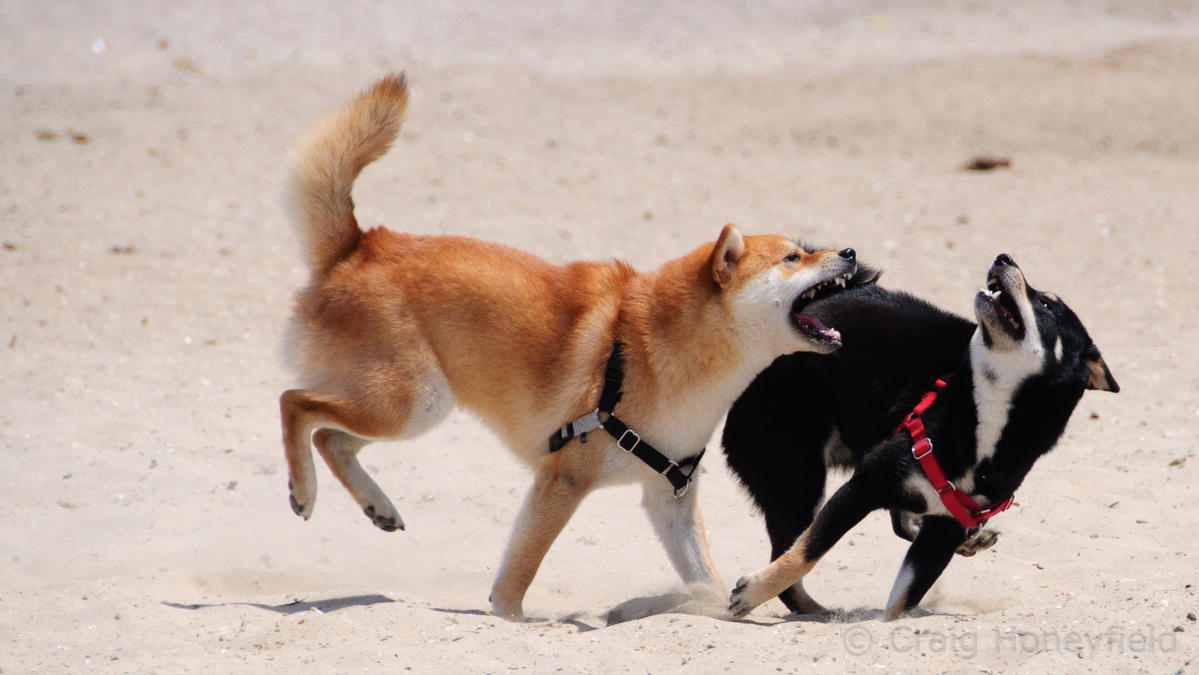
Faithful companions during operating, station projects, and livestream preparation. Forever part of the N6MUD shack.
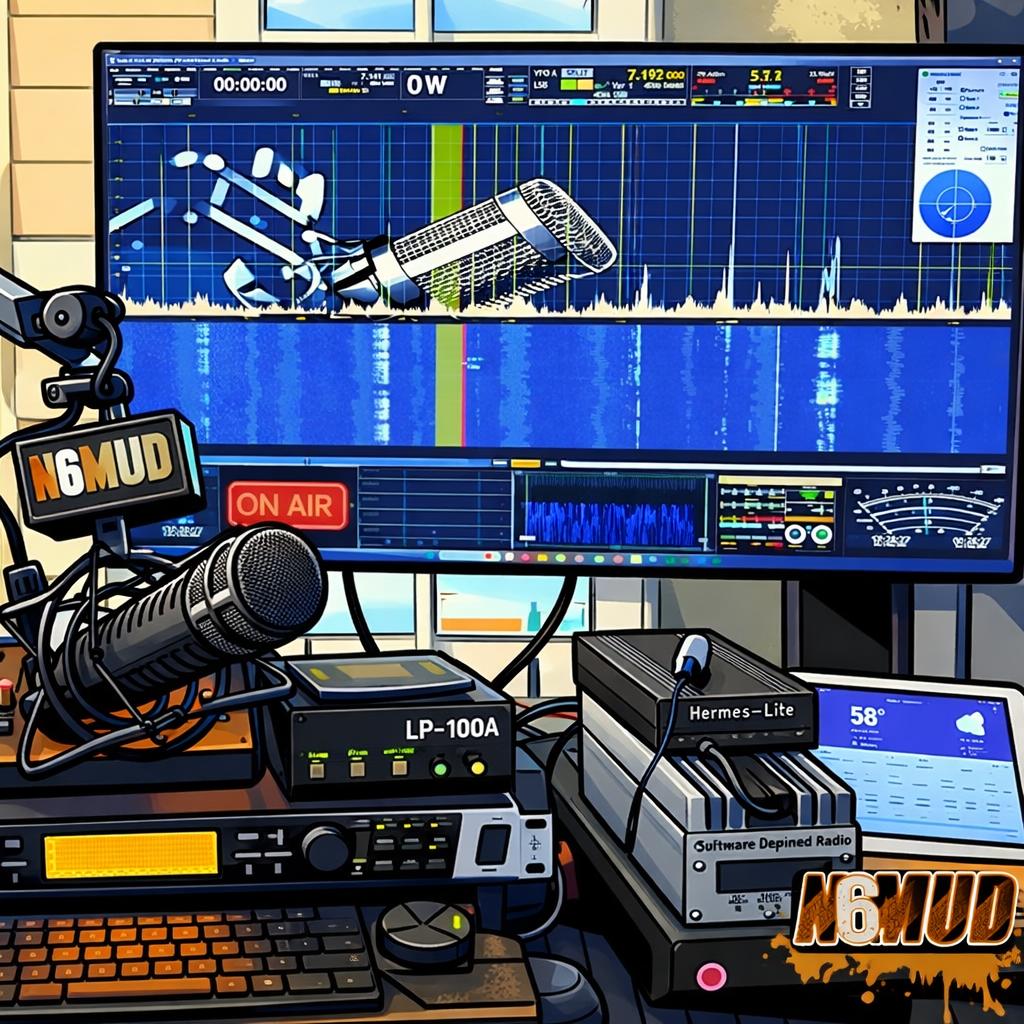
Illustrated shack artwork used by the N6MUD QRZ profile.